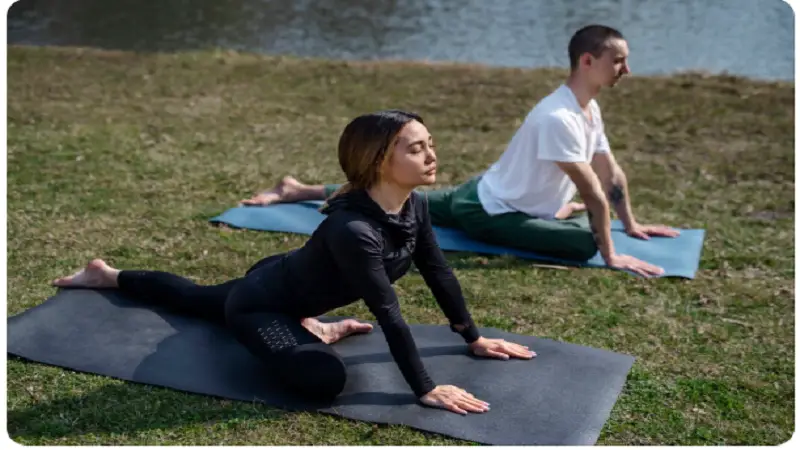
In today’s fast-paced world, stress and fatigue have become a part of daily life. This is where restorative yoga plays a powerful role. Unlike intense workouts or fast-paced yoga styles, restorative yoga focuses on relaxation, healing, and calming the mind. It is one of the best ways to restore balance in both body and mind.
What is Restorative Yoga?
Restorative yoga is a gentle and slow form of yoga that uses props like blankets, bolsters, and pillows to support the body. The main goal of restorative yoga is to help the body relax deeply while holding poses for longer periods, usually between 5 to 20 minutes.
This type of yoga is not about stretching or strength. Instead, restorative yoga is about stillness, breathing, and allowing the body to heal naturally.
Benefits of Restorative Yoga
There are many benefits of practicing restorative yoga regularly. It is especially helpful for people dealing with stress, anxiety, or physical fatigue.
1. Reduces Stress and Anxiety
One of the biggest benefits of restorative yoga is stress relief. The slow movements and deep breathing calm the nervous system and reduce anxiety levels.
2. Improves Sleep Quality
If you struggle with sleep, restorative yoga can help. It relaxes the body and mind, making it easier to fall asleep and stay asleep.
3. Supports Physical Healing
Restorative yoga allows muscles to relax and recover. It is perfect for people recovering from injuries or dealing with chronic pain.
4. Enhances Mental Clarity
By practicing restorative yoga, you can clear your mind and improve focus. It creates a sense of inner peace and balance.
5. Boosts Overall Well-Being
Regular practice of restorative yoga improves emotional health and overall well-being.
Common Restorative Yoga Poses
Here are some popular poses used in restorative yoga:
Supported Child’s Pose
A relaxing pose that gently stretches the back and promotes calmness.


Legs Up the Wall (Viparita Karani)
This pose improves circulation and relaxes the legs.


Reclining Bound Angle Pose
A gentle pose that opens the hips and chest.


How to Practice Restorative Yoga
Starting restorative yoga is simple and does not require advanced skills. Follow these steps:
- Choose a quiet and comfortable space
- Use props like cushions or folded blankets
- Move slowly into each pose
- Hold each pose for several minutes
- Focus on deep, slow breathing
The key to restorative yoga is to completely relax and let go of tension.
Who Should Practice Restorative Yoga?
Restorative yoga is suitable for everyone, including:
- Beginners in yoga
- People with busy lifestyles
- Individuals dealing with stress or anxiety
- Those recovering from injury
- Older adults looking for gentle exercise
Because restorative yoga is low-impact, it is safe and beneficial for all age groups.
Tips for Better Results
To get the most out of restorative yoga, keep these tips in mind:
- Practice regularly, even if only for 10–15 minutes
- Use comfortable clothing
- Avoid distractions like phones
- Focus on breathing deeply
- Be patient and consistent
Final Thoughts
In a world full of stress and constant activity, restorative yoga offers a peaceful escape. It helps you slow down, reconnect with yourself, and heal both physically and mentally. Whether you are a beginner or an experienced yogi, adding restorative yoga to your routine can transform your life.
If you are looking for a simple yet powerful way to relax and recharge, restorative yoga is the perfect choice. Start today and experience the deep benefits of this calming practice.